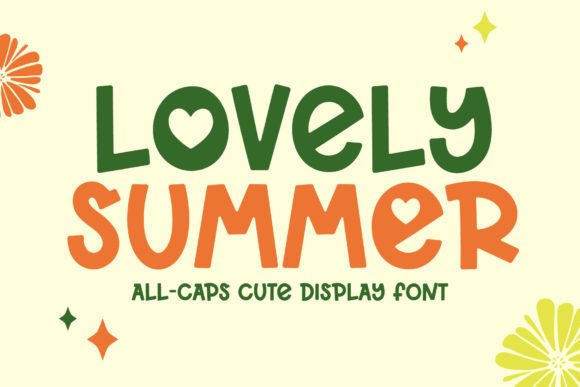
Books: A Creative Font for Invitations & Crafts
When you're designing something that needs to feel personal, warm, and handmade, the typeface you choose sets the entire tone. Books is a dingbat font that brings a charming, bookish personality to any project. It's not just a collection of letters—it's a design asset with a distinct visual story. The characters in Books have a slightly irregular, hand-drawn quality that feels authentic and approachable. Think of the gentle curves of a well-loved paperback's spine or the whimsical flair of a hand-lettered bookstore sign. This creative font avoids the sterile perfection of geometric sans serifs, opting instead for a human touch that resonates on an emotional level.
Where This Typeface Truly Shines
Understanding the ideal context for a font like Books is key to using it effectively. Its personality is best suited for projects where warmth, nostalgia, and creativity are the primary goals. It's a natural fit for the world of DIY crafts and personal stationery. Imagine it on a set of handmade recipe cards, the label for a jar of homemade jam, or the header of a scrapbook page. The font's friendly demeanor makes these items feel more intimate and cherished.
In the realm of small business and branding, Books can be a powerful tool for specific niches. A local independent bookstore, a cozy café, a boutique gift shop, or a craft brewery could leverage this typeface to build a brand identity that feels community-oriented and artisanal. It works wonderfully for logo design in these contexts, as well as for creating cohesive packaging design, menu layouts, and loyalty cards. The key is alignment; the font's personality must match the brand's core message.
For editorial design and publishing, Books offers a delightful option for chapter headings, pull quotes, or decorative elements in a magazine or a self-published book. It injects personality without overwhelming the main body text. Similarly, in web design, it can be used sparingly for headlines or call-to-action buttons on sites for authors, literary blogs, or creative workshops, adding a layer of charm that a standard sans serif font might lack.
The Strategic Value of a Thematic Display Font
Choosing a premium font like Books is more than an aesthetic decision; it's a strategic one that influences how your audience perceives your work. A display font with this much character immediately establishes a visual hierarchy. When used for a headline on a wedding invitation, it draws the eye and sets a romantic, storybook mood, allowing you to pair it with a cleaner serif font or sans serif font for the essential details like date and time. This contrast is fundamental to good modern typography.
Consistency is another major benefit. By incorporating Books into your social media graphics, website headers, and print materials, you create a recognizable thread that strengthens your brand identity. Customers begin to associate that specific visual style with your business, enhancing recall and professionalism. It shows intentionality in your design choices, which builds trust.
However, readability must always be considered. A font with this much personality is best used for short bursts of text—headlines, logos, or single lines. Using it for long paragraphs would strain the reader's eyes. Its strength is in grabbing attention, not in sustained reading. Always test your designs at the actual size they'll be viewed to ensure clarity remains intact.
Practical Guidance for Using Books in Your Projects
Before integrating Books into your workflow, a few practical steps will ensure a smooth experience. First, evaluate the specific project. Is the goal to feel whimsical, vintage, or handmade? If the answer is yes, it's likely a good fit. For corporate reports or legal documents, it would be entirely inappropriate. Context is everything.
Next, spend time on font pairing. Books pairs beautifully with simple, neutral typefaces. A clean geometric sans serif like Futura or a classic transitional serif like Baskerville can provide a stable foundation, letting Books' personality pop without creating visual chaos. The contrast in weight and style creates a balanced and professional layout.
Always review the full character set of the font. A quality dingbat font or creative typeface will include alternates, ligatures, and stylistic sets. These extras allow you to customize the look, avoiding repetitive letterforms and adding more handcrafted variation to your text. Access these through the OpenType features in your design software.
Finally, consider licensing. If you're using Books for a client project, merchandise for sale, or a commercial product, you must ensure you have the correct commercial font license. Most design assets come with clear licensing terms—personal use versus commercial use. Respecting these terms is non-negotiable for professional practice and protects both you and the font creator.
Inspiration for Your Next Creative Endeavor
Let the theme of Books inspire concrete applications. For entrepreneurs, consider using it for the masthead of a newsletter, the title of a workshop flyer, or the branding on a subscription box for book lovers. For crafters, it's perfect for creating custom vinyl decals for bookshelves, personalized bookplates, or embroidery patterns for tote bags.
Content creators and bloggers can use Books to design eye-catching Pinterest pins or Instagram story templates that stand out in a crowded feed. The font's inherent charm can increase engagement by making your content feel more relatable and visually interesting. Publishers might use it for the cover of a poetry collection, a children's book, or a niche hobbyist magazine, where its style directly communicates the subject matter.
In the end, a font like Books is a tool for storytelling. Its value lies not just in its aesthetic appeal but in its ability to communicate a specific feeling and connect with an audience on a human level. By applying it thoughtfully—where its strengths align with your project's goals—you can elevate your work from simply being seen to being felt and remembered. It’s a testament to how the right design assets can transform a good idea into a resonant experience.